Indian Diet Plans for Weight Loss: A Critical Review
Losing weight is a common goal, and many seek quick solutions. However, sustainable weight loss requires a holistic approach, considering cultural preferences and individual needs. This review analyzes two popular one-month Indian weight loss diet plans, highlighting their strengths, weaknesses, and potential risks. Remember, consulting a healthcare professional before starting any weight loss program is crucial. This review aims to empower you with information to make informed decisions, not endorse specific plans.
Analyzing Two Sample Plans
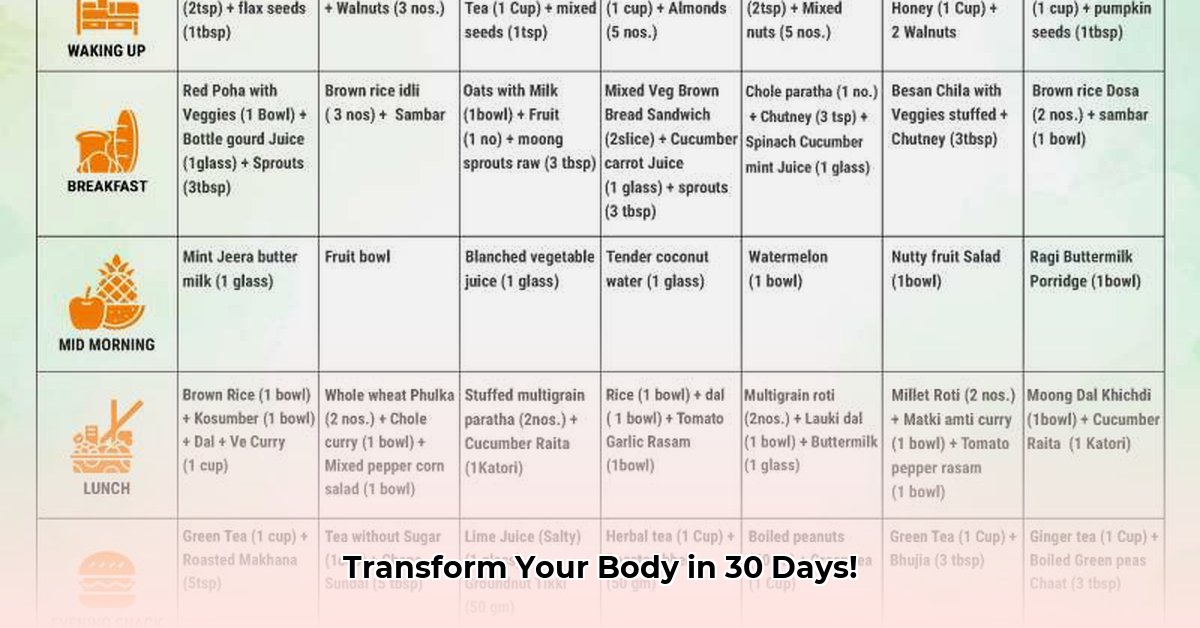
We'll examine two sample one-month Indian weight loss plans, typically available as PDFs online. These serve as examples; individual needs necessitate personalized plans.
Plan 1: The Structured, Calorie-Restricted Approach
This plan often features a structured, phased approach with decreasing daily calorie targets, potentially reaching very low levels (e.g., 1200 kcal) by the end of the month. It usually emphasizes a specific macronutrient breakdown.
Pros:
- Clear Structure: Provides a daily meal plan and calorie targets, offering initial guidance.
- Defined Macronutrient Ratios: Offers a framework for balanced eating (though may require adjustments).
Cons:
- Extremely Low Calorie Intake: The very low calorie targets (e.g., 1200 kcal) pose significant risks, including nutritional deficiencies, fatigue, and metabolic slowdown. Is this sustainable long-term? Likely not.
- Sustainability: Such drastic calorie reduction is challenging to maintain, often leading to rebound weight gain. Is this approach healthy? Highly questionable.
Plan 2: The Flexible, Culturally Relevant Approach
This approach emphasizes flexibility, encouraging the use of traditional Indian dishes and ingredients. However, it often lacks specific calorie counts and macronutrient breakdowns.
Pros:
- Cultural Relevance: Easier integration into existing lifestyles and dietary preferences. This resonates with cultural norms.
- Adaptability: Permits customization to individual preferences and dietary needs. This promotes adherence.
Cons:
- Lack of Precision: The absence of specific calorie and macronutrient targets hinders accurate tracking and monitoring. Can you effectively lose weight without tracking? Unlikely.
- Reduced Effectiveness: Without precise guidelines, creating a calorie deficit—essential for weight loss—becomes challenging. Will you see results? Maybe, but less likely.
Comparative Analysis: Plan 1 vs. Plan 2
| Feature | Plan 1: Structured Approach | Plan 2: Flexible Approach |
|---|---|---|
| Calorie Intake | Decreasing, potentially very low | Not specified |
| Macronutrient Breakdown | Precisely defined | Not specified |
| Structure | Highly structured, daily meal plans | Flexible, general guidelines |
| Adherence Difficulty | High, due to restrictive nature | Lower, due to flexibility |
| Cultural Relevance | Variable | Often high |
| Scientific Support | Generally lacking | Generally lacking |
Scientific Validation: The Missing Piece
Neither plan typically provides robust scientific backing. Claims require evidence-based support. Sustainable weight loss relies on a holistic approach, recognizing individual factors and medical conditions. "Miracle" diets rarely provide long-term solutions and can be harmful.
Potential Risks and Mitigation Strategies
Rapid weight loss methods carry risks, including nutritional deficiencies, muscle loss, and the development of disordered eating habits.
Key Risks:
- Nutritional Deficiencies: Severely restricting calories can lead to nutrient deficiencies.
- Unsustainable Weight Loss: Rapid weight loss often leads to rebound weight gain.
- Muscle Loss: Low-calorie diets can result in muscle loss.
- Negative Relationship with Food: Restrictive diets can foster unhealthy relationships with food.
Mitigation Strategies:
- Consult a Healthcare Professional: This is paramount before starting any weight loss plan.
- Gradual Changes: Avoid drastic dietary changes.
- Nutrient-Dense Foods: Prioritize whole, unprocessed foods.
- Regular Physical Activity: Incorporate exercise into your routine.
- Mindful Eating: Pay attention to hunger and fullness cues.
Actionable Steps for Safe Weight Loss
- Consult a Registered Dietitian: A professional can tailor a plan to your unique needs.
- Set Realistic Goals: Aim for 1-2 pounds of weight loss per week.
- Prioritize Nutrient-Rich Foods: Include plenty of fruits, vegetables, lean protein, and whole grains.
- Manage Portion Sizes: Be mindful of your food intake.
- Stay Hydrated: Drink plenty of water.
- Incorporate Exercise: Find activities you enjoy.
- Practice Mindful Eating: Pay attention to your body's signals.
- Be Patient and Consistent: Sustainable weight loss takes time.
Conclusion: A Personalized Approach is Key
Sustainable weight loss requires a holistic and personalized approach. While these sample plans offer some guidance, they lack the essential element of individualization. Always consult a healthcare professional to create a safe and effective plan tailored to your needs and preferences. Remember, long-term health and well-being should be the primary goals, not just short-term weight loss.